Landstar may fit if...
- You want to choose your own freight.
- You can think like a business owner, not just a driver.
- You understand deadhead, timing, costs, and reload markets.
- You would rather carry the pressure than be micromanaged.
I’ve been around enough trucking companies to know there is always more to the story than what you hear up front. This site is my honest look at Landstar, self-dispatch, freight decisions, and whether the model actually fits the way you want to operate.
Landstar works best for owner-operators who want to make their own freight decisions and can live with the results. If you want someone else planning your week, this may not be the right fit. If you understand your costs, your lanes, and your tolerance for risk, Landstar may be worth a serious look.
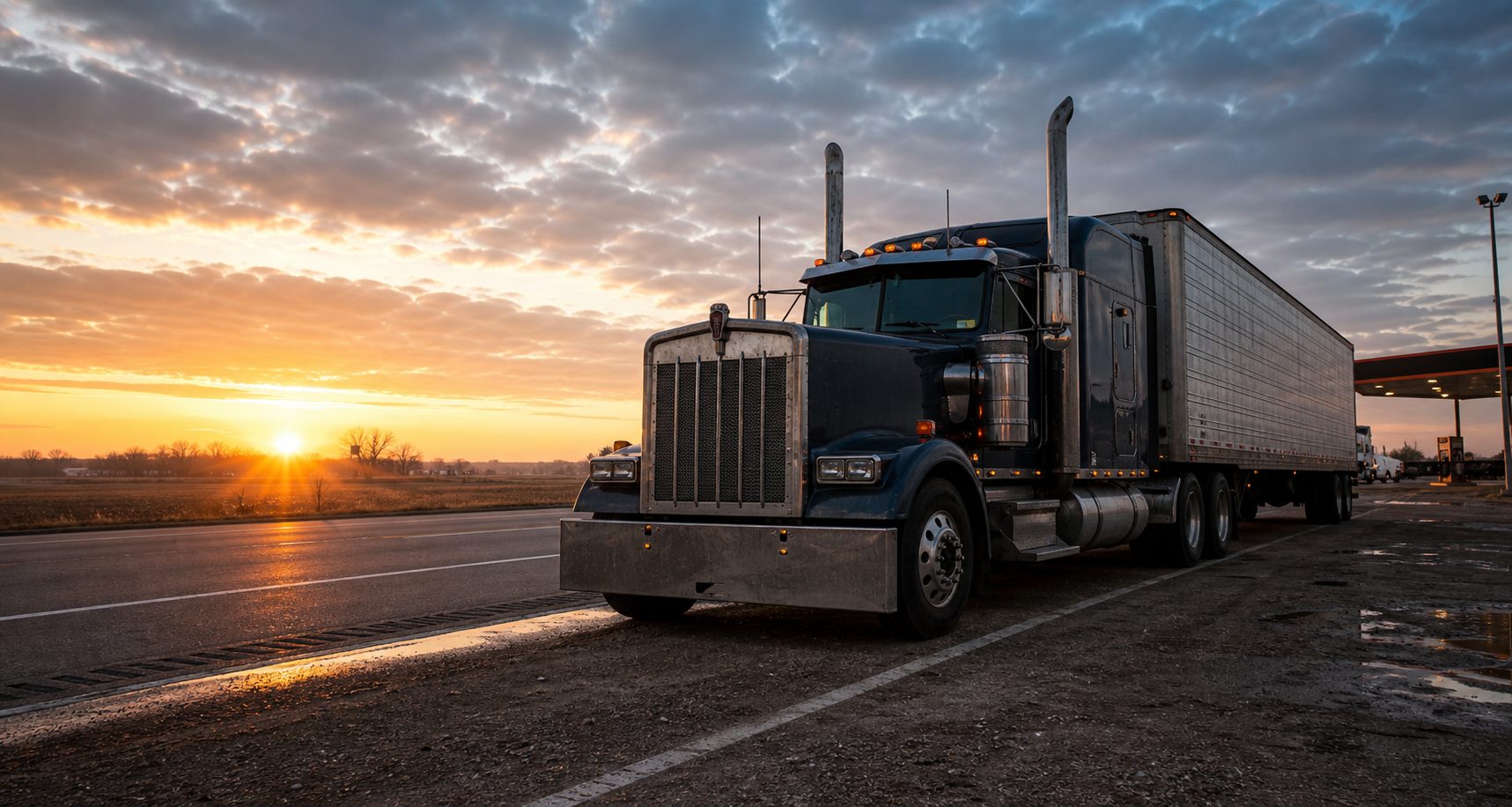
Self-dispatch, load board freight, Hazmat requirements, agent relationships, and opportunity.
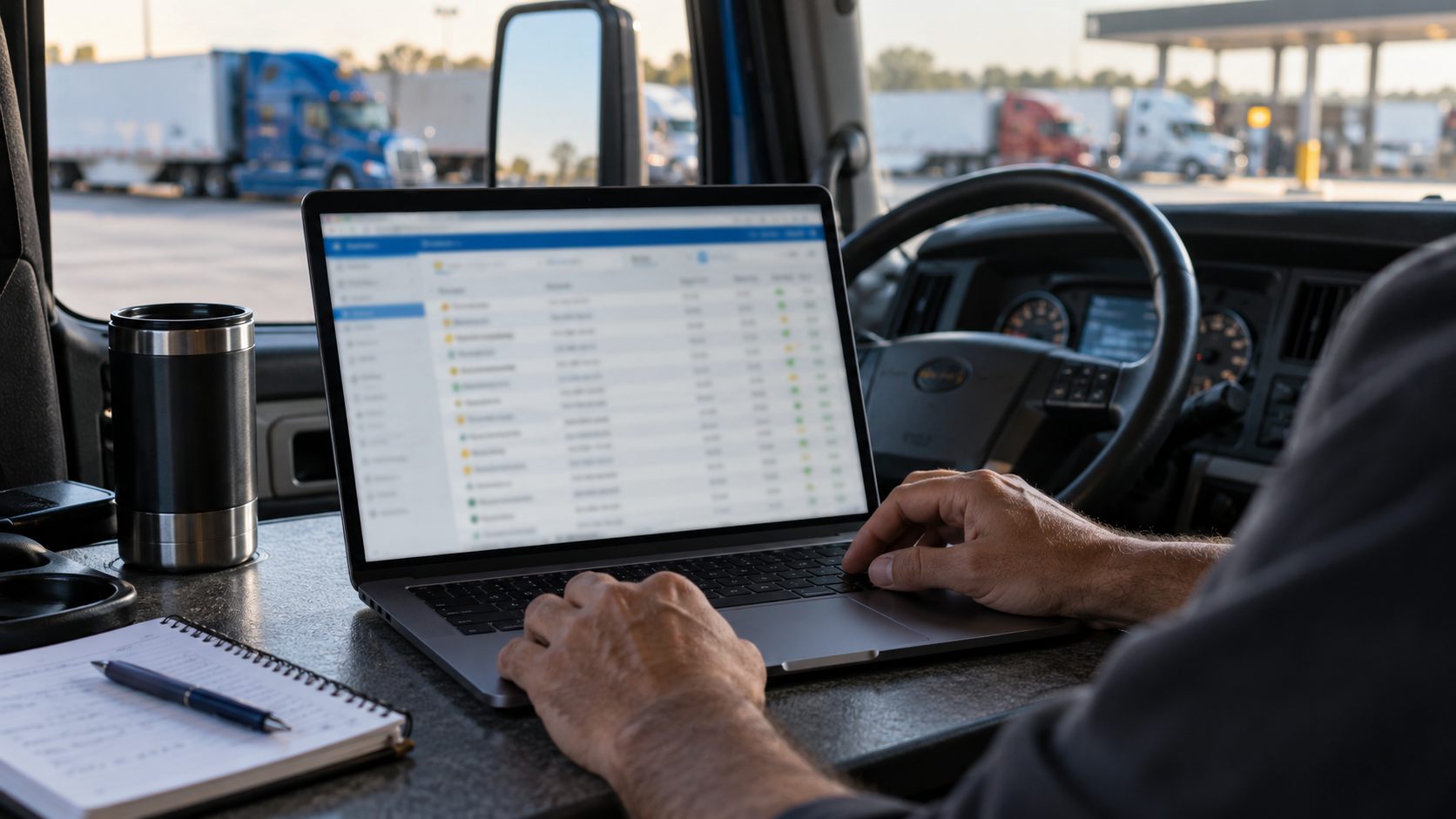
What screenshots miss, why good loads disappear fast, and how agent relationships change the freight you see.
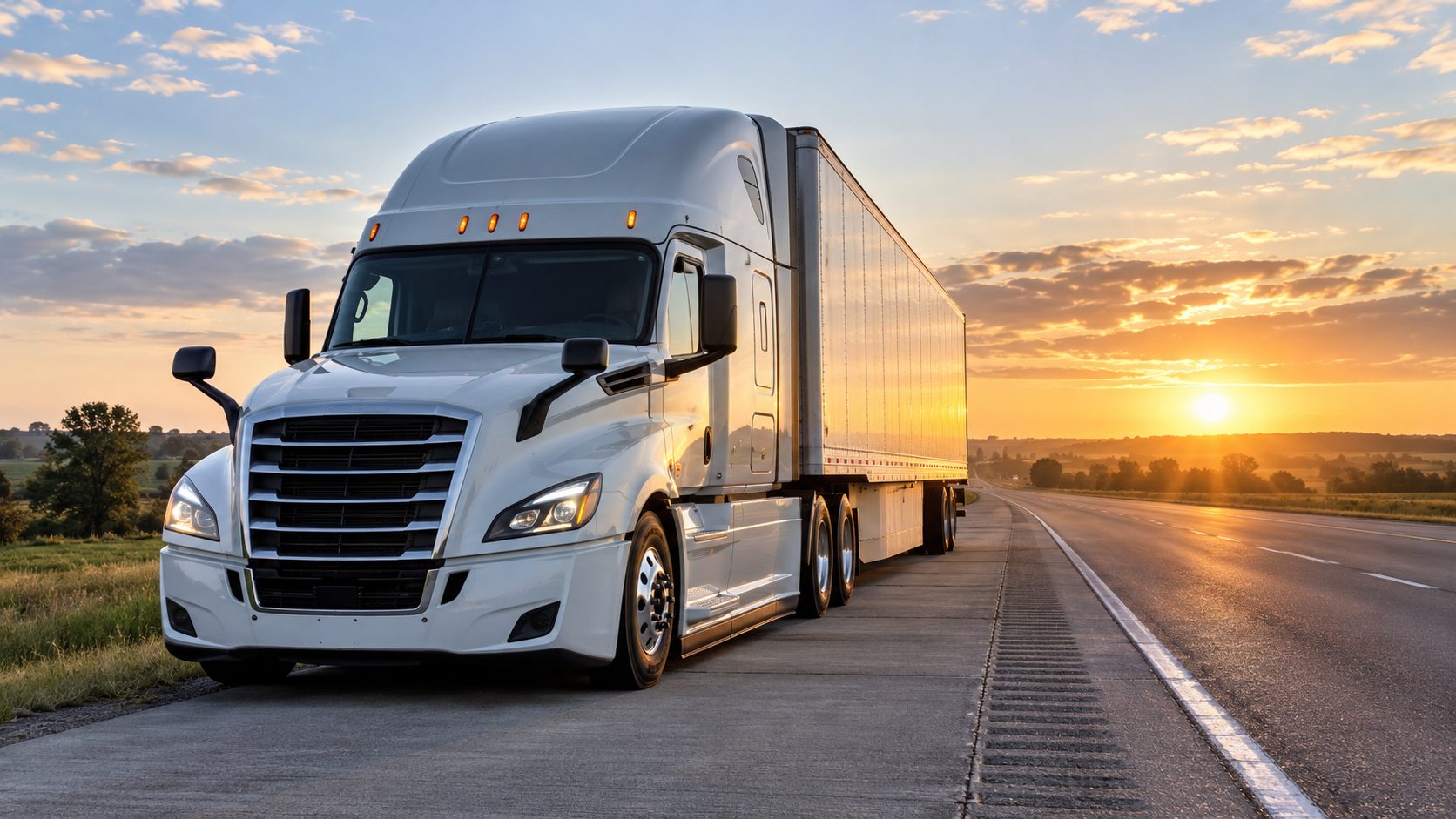
Truck-only, trailer options, percentage pay, fuel advances, discounts, and self-dispatch.
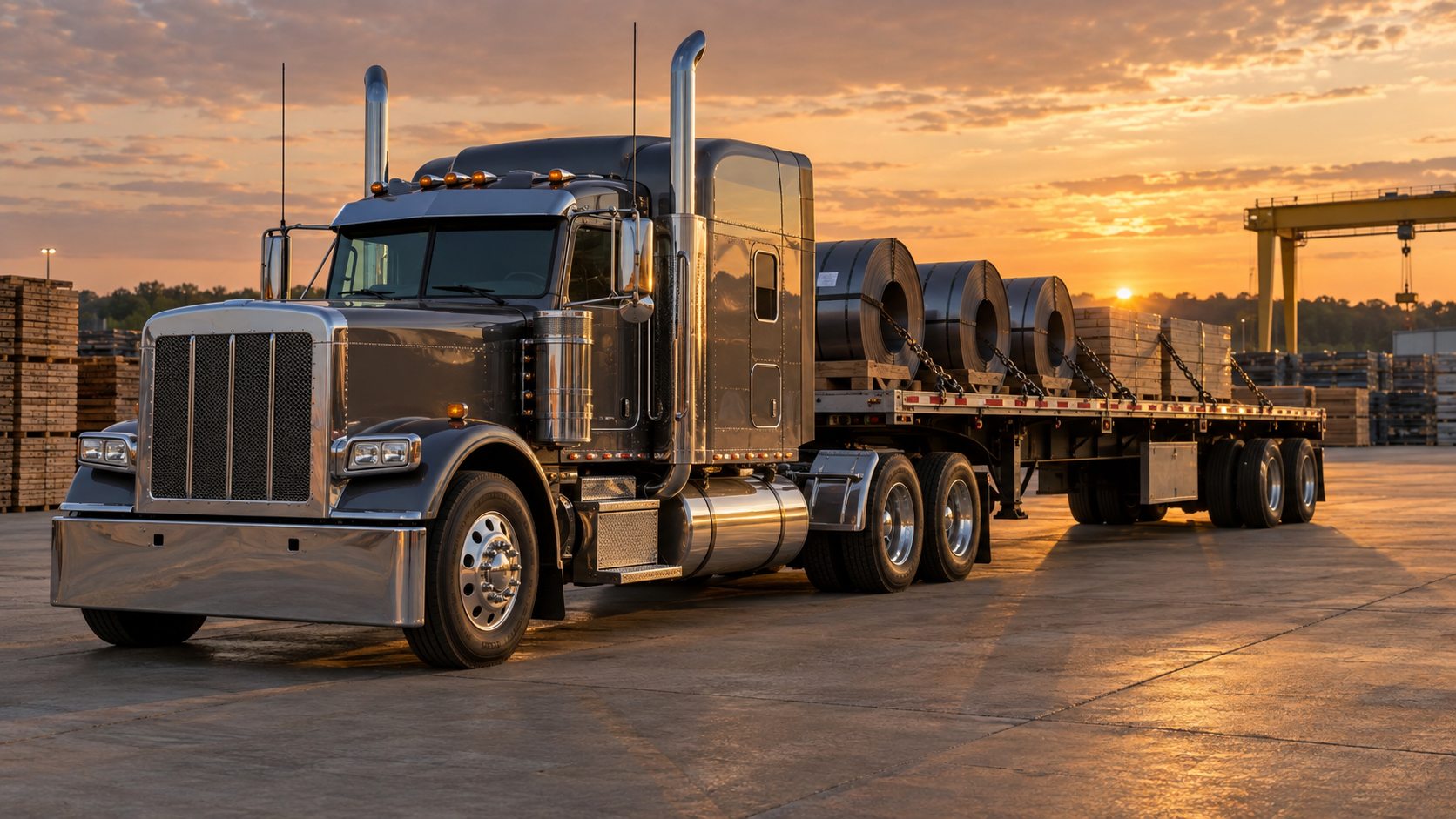
More control sounds good. More overhead, insurance, sales, and collections come with it.
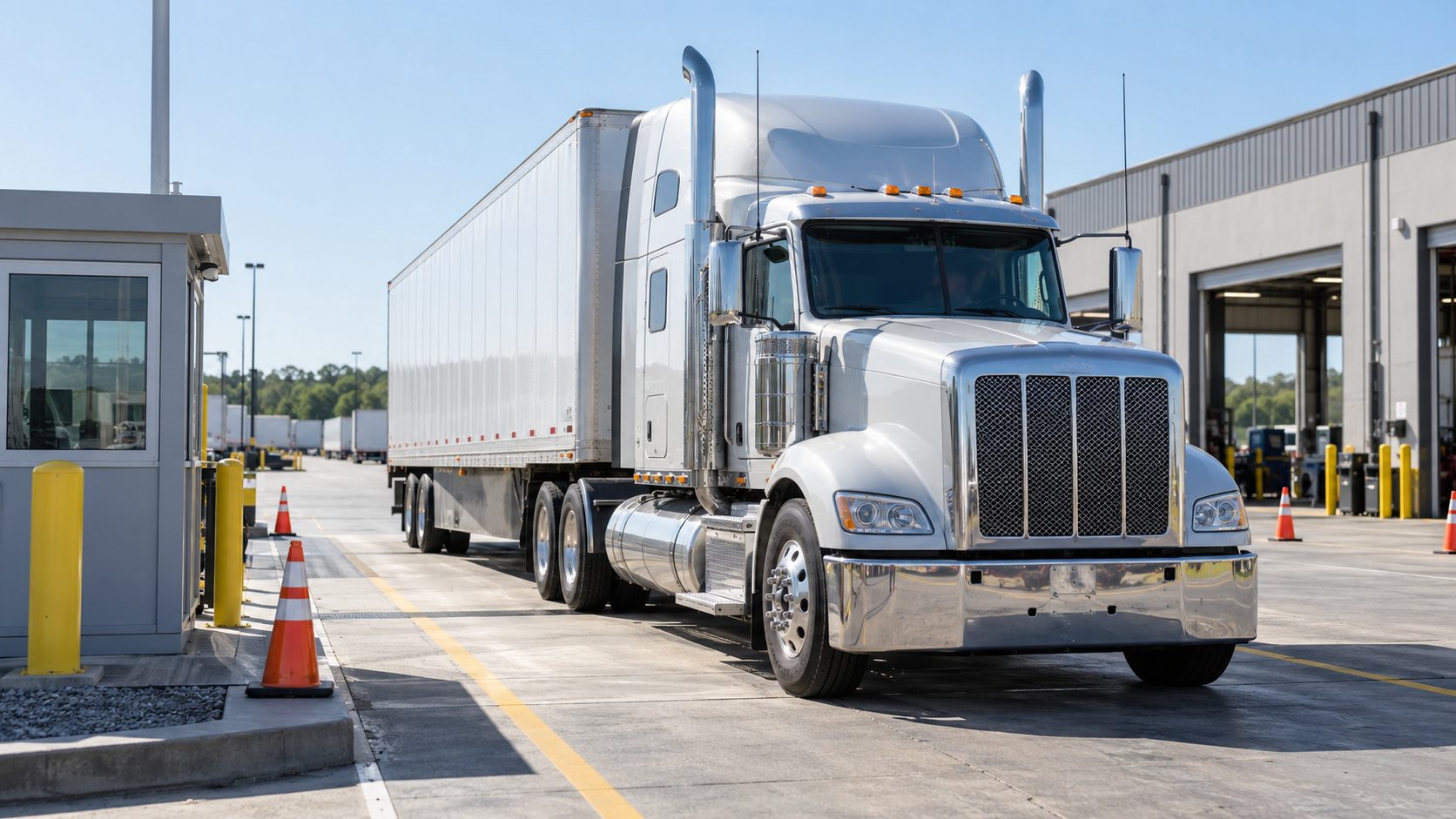
What to know before you open the application and start giving them your information.
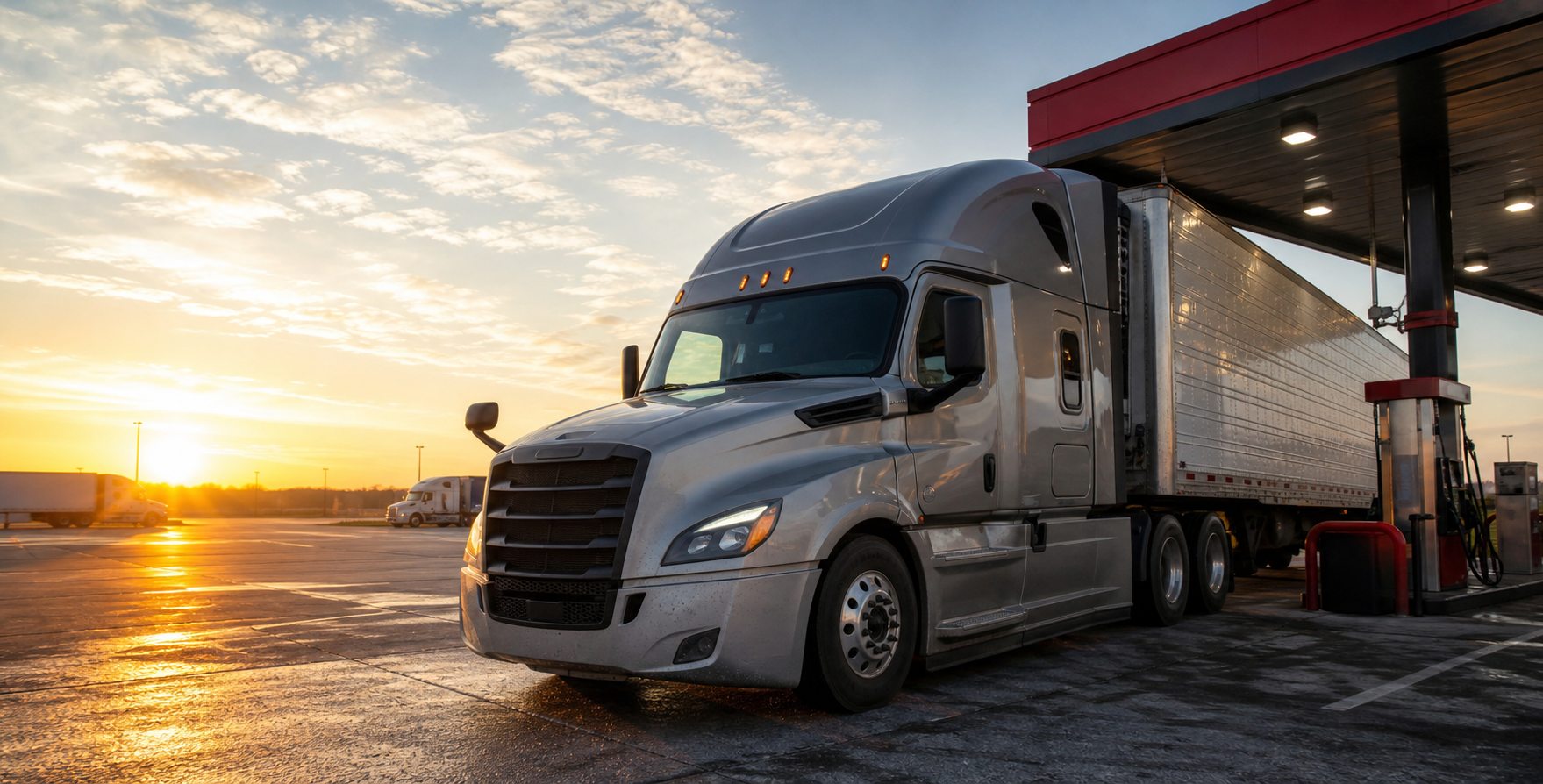
What happens after you apply, from documents and orientation to getting ready for the first load.
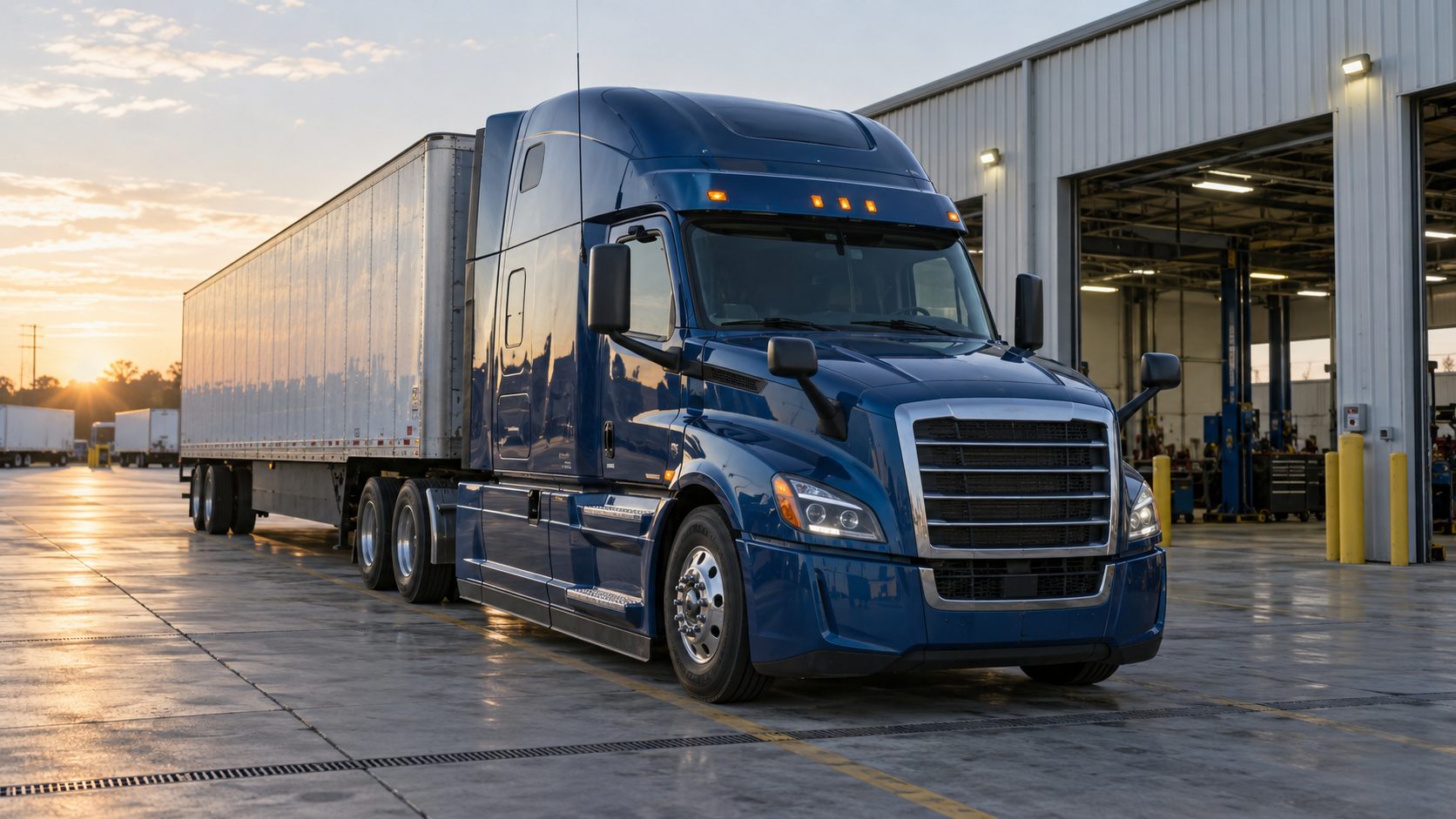
Hazmat, inspections, open deck qualifications, insurance, deductions, and what actually matters before you apply.
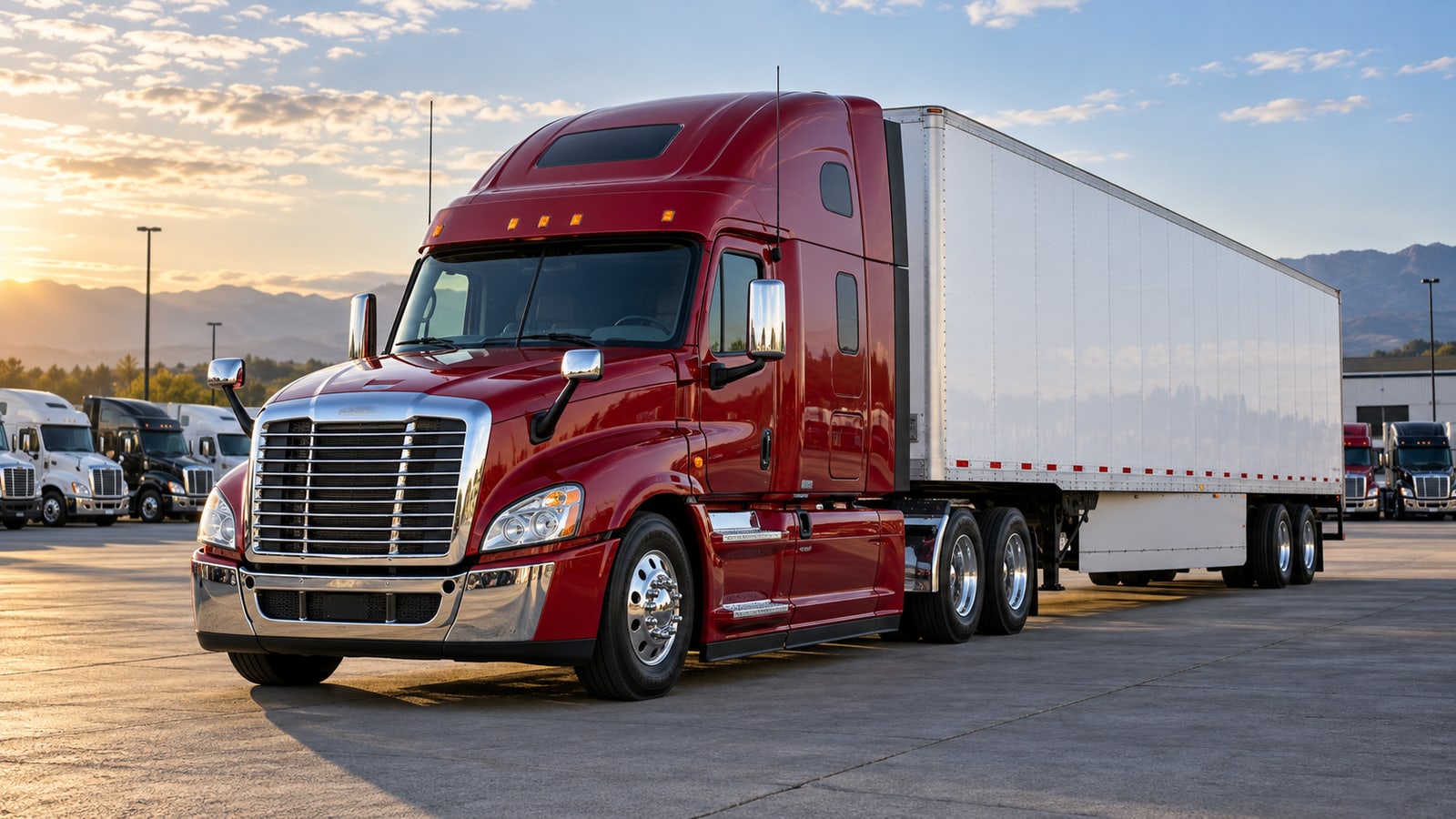
No company lease purchase program. Three realistic paths to your own truck, with the savings and business habits to get there.
Click here to start the application now.
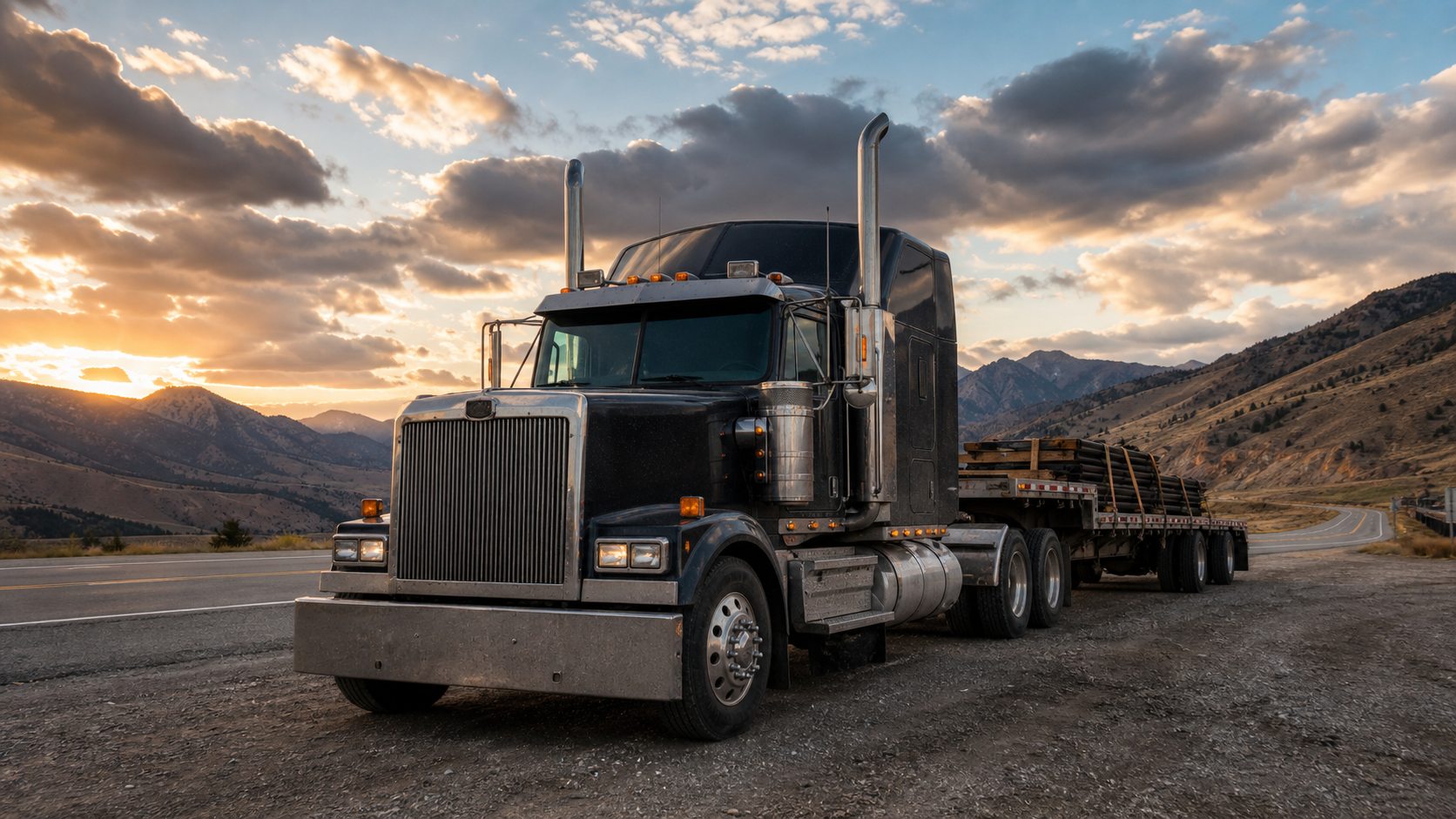
Mercer is worth comparing if you like the idea of an owner-operator company but want more structure and support than Landstar gives you.
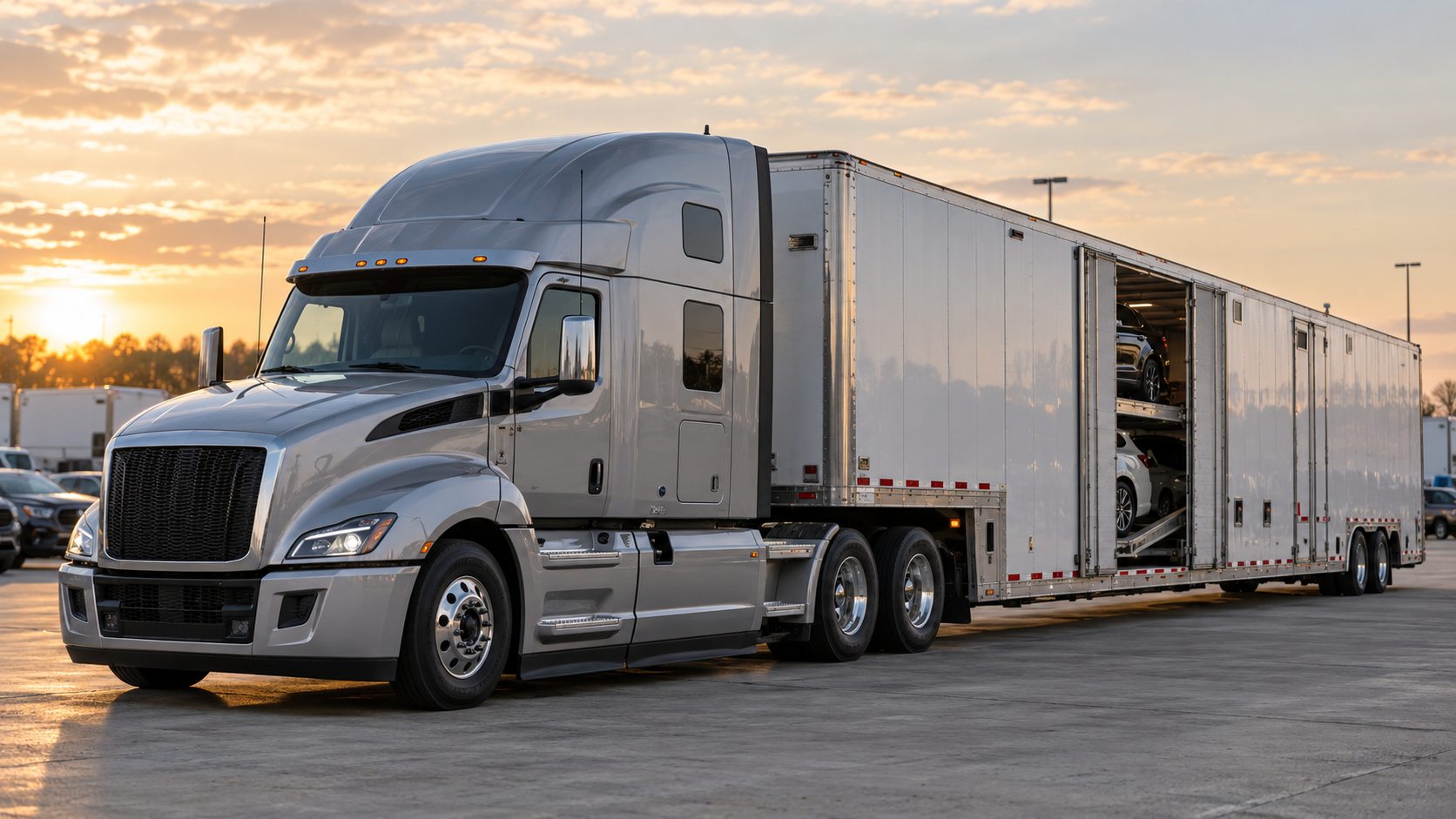
Auto transport is a different world. Useful comparison if you’re weighing specialized freight against Landstar’s broader model.
If you think Landstar could be a good fit, start by filling out the application here.
Yes, for the right owner-operator. Landstar is a strong fit when you want more control over the freight you run and you are comfortable owning the results. If you know your costs, understand your lanes, and can say no to freight that does not fit your business, Landstar deserves a serious look.
Yes, but only if you are serious about running the truck like a business. Landstar can give a newer owner-operator room to choose freight and learn the business side, but it will not make weak math work. Before you make the move, know your cost per mile, fixed weekly costs, maintenance reserve, fuel habits, home-time needs, and how much deadhead you can tolerate before a load stops making sense.
No, not just because you are tired of dispatch. That frustration is real, but ownership turns frustration into financial exposure. A company driver can have a bad week and still wait for the next dispatch. An owner-operator can have a bad week and still owe the truck payment, insurance, fuel, maintenance, and taxes. Buy the truck because the business works, not because dispatch got on your nerves.
There is no one-size-fits-all answer. A very experienced driver with cash, reserves, and a real plan may do fine buying a new truck. For the average first-time owner-operator, a good used truck paid for in cash is usually the cleaner way to start, as long as there is still money set aside for repairs and downtime.
The riskiest spot is often a used truck that is out of warranty and still financed. Now you have the lower payment, but you also have the repair risk, the downtime risk, and a payment that keeps coming due while the truck sits in the shop. One bad repair can turn into weeks with no income, a five-figure bill, and a lender still expecting their money. That is how a first truck can turn into a financial mess fast.
Know your numbers before you start. Your fixed costs, maintenance reserve, insurance, plates, permits, fuel habits, and deadhead tolerance matter more than any sales pitch. You may not know your best lanes yet, and that is normal. The business-minded driver learns that by running, tracking what actually pays, and paying attention to where good freight leaves the truck.
There is a difference between learning profitable lanes and only wanting to run places you already like. Landstar gives you room to make choices, but those choices still have to make business sense.
It can be, if you actually want the responsibility. Self-dispatch means you are not waiting on someone else to decide where your truck goes next. It also means you carry the pressure when freight is slow, when a good-looking load leaves you in a bad market, or when you sit too long waiting for something better.
It also does not mean first empty, first loaded. Another driver may deliver after you and get loaded before you because they have a stronger agent relationship, better timing, better communication, or just better luck that day. There is no clean pecking order, and sometimes it can feel unfair. The freedom is real, but it is not free.
No. The Apply buttons take you to Landstar's IntelliApp application through my referral link. Landstar still controls the application process, current requirements, eligibility, equipment standards, and next steps.